

Managing your money doesn’t have to be complicated. In fact, the biggest improvements in your financial life often come from small, consistent habits rather than dramatic changes. Whether you’re trying to save for a home, eliminate debt, build an emergency money habits fund, or prepare for retirement, developing healthy financial habits can put you on the path to long-term success.
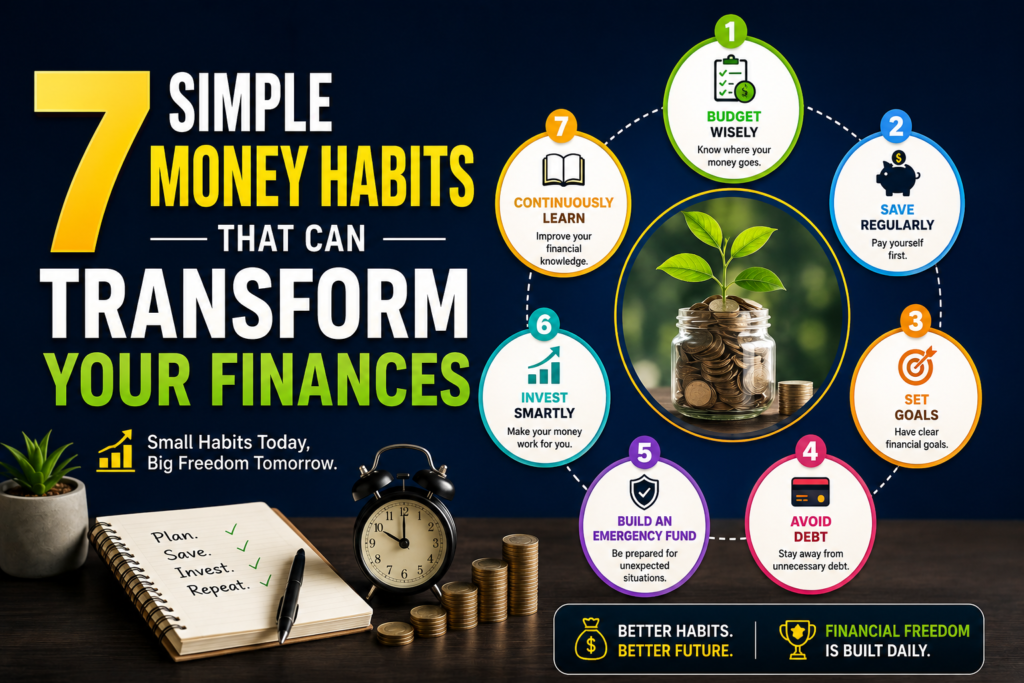
Many people believe they need a higher income to become financially secure. While earning more can certainly help, the way you manage your money matters just as much. Smart financial habits help you make better decisions, avoid unnecessary expenses, and steadily grow your wealth over time. The Pennyfy provides practical insights, budgeting tips, and money-saving strategies to help you make informed financial decisions and build long-term financial stability.
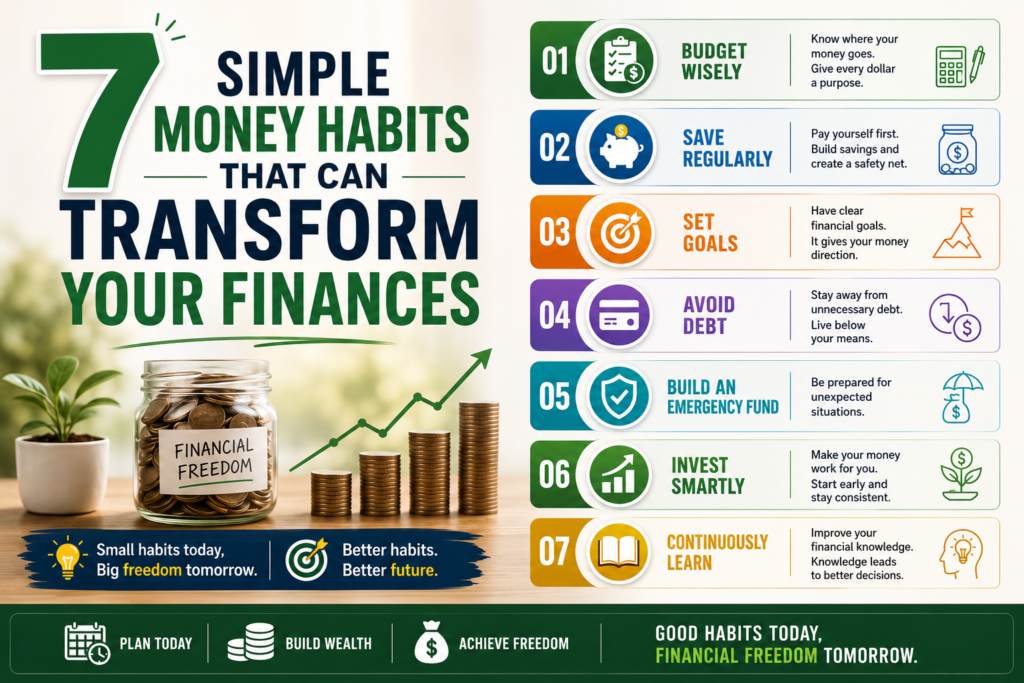
1. Create and Stick to a Monthly Budget
A budget is one of the most powerful financial tools you can use. It gives you a clear picture of your income, expenses, and savings while helping you stay in control of your money.
Start by listing all your monthly income sources. Next, record your fixed expenses, such as rent or mortgage payments, utility bills, insurance, and loan repayments. Then add your variable expenses like groceries, transportation, entertainment, and dining out.
A well-planned budget allows you to identify unnecessary spending and redirect that money toward your financial goals.
Budgeting Tips
- Track every expense.
- Set realistic spending limits.
- Review your budget every month.
- Adjust categories when your income changes.
- Prioritise savings before discretionary spending.
Following a monthly budget financial stress and makes it easier to build wealth over time.
2. Pay Yourself First
One of the most successful money habits is saving before spending.
Instead of waiting until the end of the month to see what’s left, transfer part of your income into savings as soon as you receive your pay.
Even saving 10–20% of your monthly income can make a significant difference over time.
Automating your savings ensures consistency and money habits removes the temptation to spend money that should be saved.
Benefits include:
- Building an emergency fund
- Saving for future investments
- Reducing financial anxiety
- Developing long-term discipline
Treat your savings like a monthly bill that must always be paid.
3. Avoid Impulse Purchases
Impulse buying is one of the biggest obstacles to financial success.
Online shopping, social media advertising, and special promotions make it easy to spend money without thinking.
Before purchasing anything that isn’t essential, use the 24-hour rule. Wait at least one day before completing the purchase.
Ask yourself:
- Do I really need this?
- Will I still want it next week?
- Is there a cheaper alternative?
- Can I borrow or rent it instead?
This simple habit helps eliminate emotional spending and protects your budget.
4. Build an Emergency Fund
Unexpected expenses happen to everyone.
Car repairs, medical bills, home maintenance, or temporary job loss can quickly create financial pressure if you don’t have savings available.
An emergency fund provides financial security and prevents you from relying on expensive credit cards or loans.
Aim to save enough to cover three to six months of essential living expenses.
If that feels overwhelming, money habits start with a smaller goal.
Saving a modest amount each month will gradually build a financial safety net.
Keep your emergency savings in a separate, easily accessible savings account so you’re less tempted to spend it.
5. Reduce High-Interest Debt
Debt can limit your ability to save and invest.
Credit cards and other high-interest borrowing often cost far more than people realise because interest continues to accumulate over time.
Focus on paying off your highest-interest debts first while maintaining minimum payments on your remaining balances.
As each debt is cleared, redirect those payments towards the next balance.
Benefits of reducing debt include:
- Lower monthly expenses
- Improved credit score
- Reduced financial stress
- Greater financial flexibility
- Increased ability to save and invest
The sooner you eliminate expensive debt, the faster your finances can grow.
6. Invest in Your Future
Saving money is important, but investing allows your money to work for you.
Long-term investing has historically been one of the most effective ways to build wealth.
Common investment options include:
- Stocks
- Index funds
- Exchange-traded funds (ETFs)
- Bonds
- Retirement accounts
- Property investments
The earlier you begin investing, the more time money habits your money has to grow through compound returns.
Diversification also helps reduce investment risk by spreading your money across different assets.
Always research investments carefully and choose options that match your financial goals and risk tolerance.
7. Keep Learning About Personal Finance
Financial education is an investment that pays lifelong dividends.
The more you understand budgeting, investing, taxes, debt management, and saving strategies, the better financial decisions you’ll make.
Ways to improve your financial knowledge include:
- Reading personal finance books
- Listening to finance podcasts
- Following trusted financial experts
- Taking online courses
- Reading reputable financial websites
- Learning basic investing principles
Financial markets and economic conditions change over time, so continuous learning helps you stay informed and confident.
Additional Tips for Better Money Management
Alongside these seven habits, consider money habits incorporating the following practices into your daily routine:
- Set clear financial goals.
- Review your spending every week.
- Avoid lifestyle inflation when your income increases.
- Compare prices before making major purchases.
- Use cashback and rewards responsibly.
- Plan meals to reduce food waste.
- Cancel subscriptions you no longer use.
- Review insurance policies annually.
- Track your net worth every few months.
- Celebrate financial milestones to stay motivated.
Small improvements made consistently often produce remarkable long-term results.
Common Money Mistakes to Avoid
Even with good habits, it’s important to avoid common financial mistakes.
These include:
- Spending more than you earn
- Ignoring your budget
- Carrying high-interest credit card debt
- Failing to save for emergencies
- Delaying investing for too long
- Making emotional financial decisions
- Not reviewing your financial goals regularly
Avoiding these mistakes can significantly money habits improve your financial stability.
Frequently Asked Questions
What is the best money habit to start with?
Creating a monthly budget is one of the best habits because it helps you understand where your money goes and allows you to make informed financial decisions.
How much should I save each month?
Many financial experts recommend saving at money habits least 20% of your income if possible. However, any consistent amount is better than not saving at all.
How long does it take to build better financial habits?
Most people notice improvements within a few months of consistent budgeting and saving. Long-term financial transformation comes from maintaining these habits over many years.
Is investing better than saving?
Both are important. Savings provide short-term security, while investing helps grow wealth over the long term.
Conclusion
Improving your finances doesn’t require complicated strategies or a large income. Instead, it begins with developing simple, consistent habits that support your financial goals.
Creating a budget, paying yourself first, avoiding impulse purchases, building an emergency fund, reducing debt, investing for the future, and continuing to money habits improve your financial knowledge are all practical steps that can have a lasting impact.
The key is consistency. Small financial decisions made every day can lead to significant improvements over time. Start with one habit, master it, and gradually add the others. As these money habits become part of your routine, you’ll find it easier to save money, reduce stress, and build lasting financial security.