


Saving money can feel almost impossible when your income is already being stretched across rent, groceries, bills, transport, and other essentials. You may know that saving is important, but knowing where to find the extra money is a different story.
The good news is that how to save money on a low income does not have to mean putting hundreds away every month. As ThePennyfy practical approach to personal finance shows, small changes can create room in your budget when you focus on the expenses you can actually control. Whether it’s reducing a monthly bill, spending less on groceries, or setting aside a small amount each payday, consistent steps can gradually make saving feel more achievable.
Whether you are living in the UK or US, the basic approach is similar: understand where your money goes, reduce unnecessary costs, and start saving an amount you can realistically maintain.
Can You Save Money on a Low Income?
Yes, although the amount you can save will depend on your income and essential expenses.
If money is tight, forget about hitting a big savings target immediately. Start with £5 or £10 in the UK, or $5 or $10 in the US. The first goal is to create a habit without putting essential bills at risk.
Once your finances become more comfortable, you can gradually increase your savings.
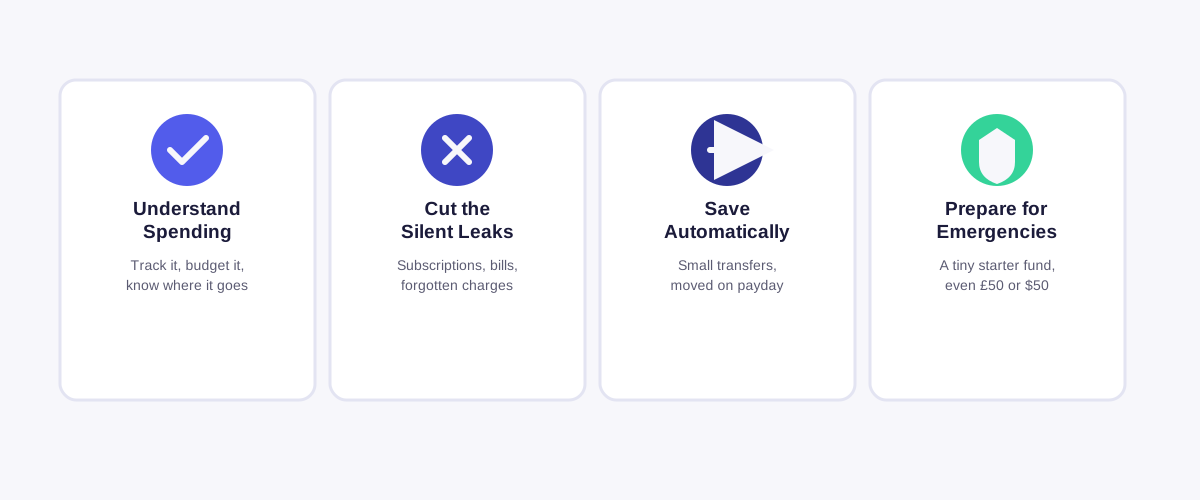
15 Ways to Save Money on a Low Income
1. Create a Simple Monthly Budget
Start by writing down your income and essential expenses. Include housing, food, utilities, transport, insurance, and debt payments.
A simple budget shows you what is left after necessities and where you may have room to make changes.
2. Track Every Purchase
Try tracking your spending for 30 days. Small purchases are easy to overlook, but several £5 or $5 purchases can become a significant amount over a month.
You do not need to stop spending completely. You simply need to know where your money is going.
3. Separate Needs From Wants
Before buying something, ask yourself whether it is something you need now or something you simply want.
This does not mean removing every enjoyable expense. Instead, choose the things that matter most and reduce purchases that provide little value.
4. Review Your Monthly Bills
Check your recurring bills for services you no longer need or plans that may be more expensive than necessary.
Phone contracts, broadband, insurance, streaming services, and memberships are all worth reviewing. Saving even £10 or $10 a month adds up over a year.
5. Reduce Your Grocery Bill
Food can take a surprisingly large part of a household budget.
Plan meals before shopping, make a list, compare prices, and consider supermarket or store-brand products. Using ingredients you already have can also reduce food waste.
6. Cancel Unused Subscriptions
Look through your bank or card statements and identify recurring subscriptions.
You might discover that you are still paying for a service you rarely use. Canceling even one unnecessary subscription can free up money every month.
7. Set a Weekly Spending Limit
A monthly budget can sometimes be difficult to follow because the end of the month feels far away.
Try setting a weekly limit for flexible spending such as eating out, entertainment, and small purchases. This makes it easier to notice when you are spending too quickly.
8. Automate Small Savings
If your bank allows it, set up an automatic transfer on payday.
Even £5 or $10 can be a good starting point. You can increase the amount later when your income improves.
Saving automatically removes some of the temptation to spend the money first.
9. Start an Emergency Fund
Unexpected expenses can quickly turn into debt when you have no savings.
You do not need to build a large emergency fund immediately. Start with a small target such as £100 or $100, then work toward a larger cushion as your finances allow.
10. Avoid Lifestyle Inflation
When your income increases, it is tempting to increase your spending at the same time.
Instead, consider saving part of a pay rise, bonus, or additional income. You can still enjoy some extra money without allowing all of it to disappear into higher expenses.
11. Choose Cheaper Alternatives
Look for less expensive ways to buy things you already need.
Cooking at home, comparing supermarket prices, choosing a cheaper phone plan, or buying suitable second-hand items can all reduce spending without requiring major lifestyle changes.
12. Control Your Biggest Spending Habit
Everyone has a category where they tend to overspend.
Maybe it is takeaways, online shopping, clothes, gaming, or entertainment. Identify your biggest problem area and set a realistic limit for it rather than trying to cut everything at once.
13. Save Part of Unexpected Money
Extra money can disappear quickly if you treat it as spending money.
If you receive a bonus, gift, tax refund, cashback, or another unexpected payment, consider saving part of it. You can enjoy the rest while still making progress toward your financial goal.
14. Look for Ways to Increase Income
There is only so much you can cut when most of your income already goes toward necessities.
Depending on your circumstances, overtime, freelance work, selling unused belongings, or other legitimate side-income opportunities could provide additional breathing room.
15. Set One Specific Savings Goal
“Save more money” is difficult to measure.
Choose a clear target instead. You might start with £100 or $100, then aim for £500 or $500. Having a specific goal makes progress easier to see and can keep you motivated.
How to Save Money on a Low Income in the UK
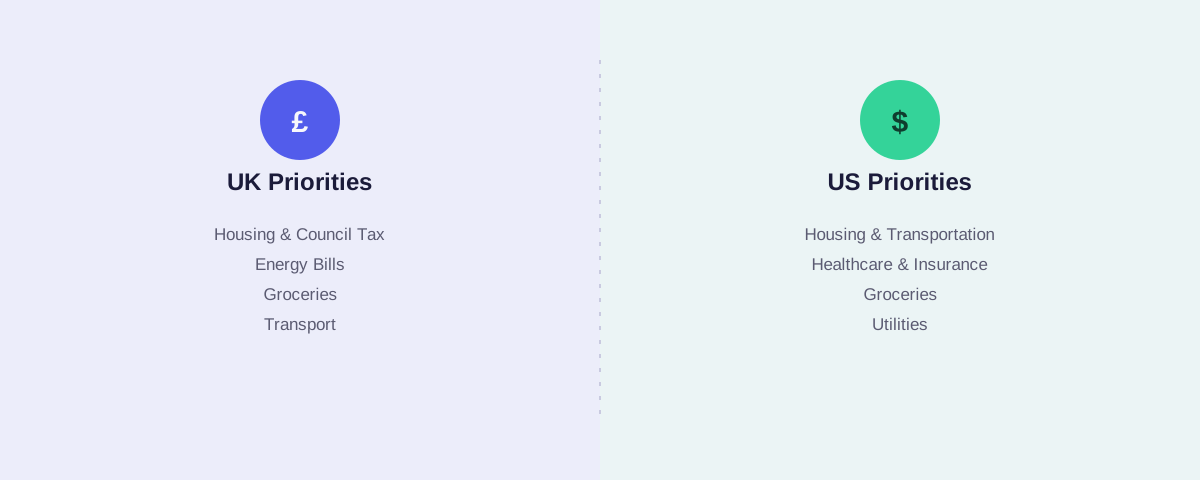
For UK households, focus on some of the largest regular expenses first. Housing, council tax, energy, groceries, and transport can have a significant impact on a monthly budget.
Review your household bills, compare providers where appropriate, plan supermarket trips, and check whether you are paying for services you no longer use.
If you receive benefits or other support, check official UK sources to understand whether you may qualify for additional help.
How to Save Money on a Low Income in the US
For US households, housing, transportation, groceries, utilities, insurance, and healthcare can significantly affect monthly finances.
Review your largest expenses before worrying about tiny purchases. If you are paid weekly or biweekly, consider dividing your spending plan around your paychecks so upcoming bills are covered.
Even a small automatic transfer from each paycheck can gradually create a useful savings cushion.
How Much Should You Save on a Low Income?
There is no perfect percentage that works for everyone.
If your income mainly covers essential expenses, saving 10% or 20% may not be realistic right now. Start with an amount that does not interfere with rent, food, utilities, or other necessary payments.
The important thing is to make saving sustainable. A small amount saved consistently is better than setting an unrealistic target and giving up.
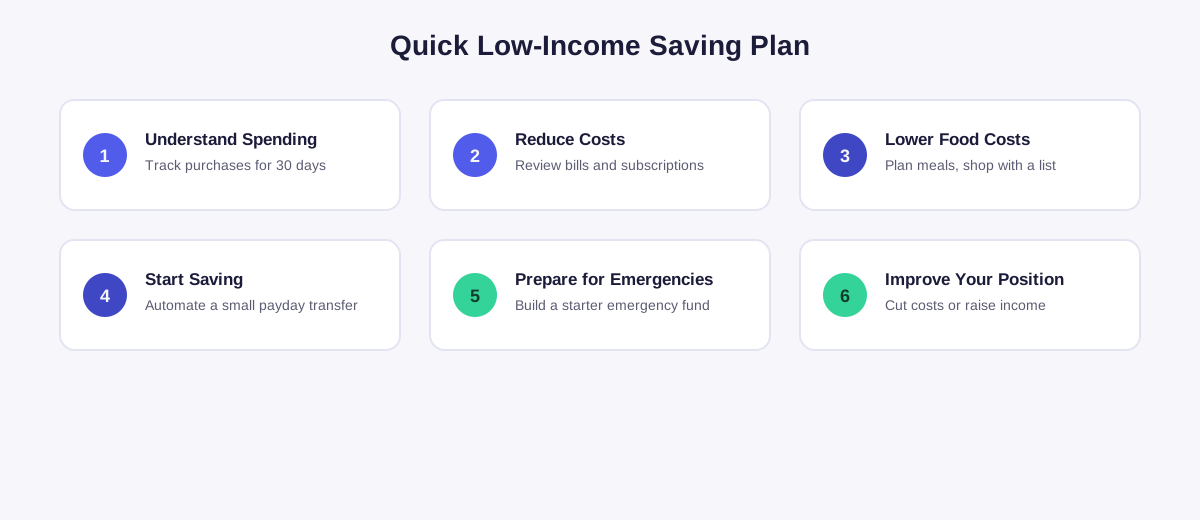
Quick Low-Income Saving Plan
| Goal | What to do |
|---|---|
| Understand spending | Track purchases for 30 days |
| Reduce costs | Review bills and subscriptions |
| Lower food costs | Plan meals and shop with a list |
| Start saving | Automate a small payday transfer |
| Prepare for emergencies | Build a starter emergency fund |
| Improve your position | Look for ways to reduce major costs or increase income |
What If You Cannot Save Anything Right Now?
Sometimes there genuinely is no money left after essential expenses. If that is your situation, do not assume you have failed.
Your first step may be reducing unavoidable costs, dealing with expensive debt, or finding a way to increase income. Once you have more breathing room, even a very small savings contribution can become your starting point.
Frequently Asked Questions
How can I save money when I have a low income?
Start by tracking your spending and creating a realistic budget. Then focus on reducing one or two unnecessary expenses and put the money you save toward a specific goal.
What is the easiest way to save money on a low income?
Automating a small amount on payday is one simple option. Reviewing subscriptions and recurring bills can also create savings without requiring major lifestyle changes.
How much should I save each month on a low income?
There is no universal amount. Start with what you can comfortably afford after essential expenses. Even £5 or $5 can be a reasonable starting point.
How can I save money on a low income in the UK?
Review household bills, groceries, transport, subscriptions, and other recurring expenses. You can also check official sources for any support or discounts you may be eligible for.
How can I save money on a low income in the US?
Start with your biggest expenses, such as housing, transportation, groceries, utilities, and insurance. Then automate a small amount from each paycheck if your budget allows.
Final Thoughts
Learning how to save money on a low income is not about completely changing your lifestyle overnight. It is about making realistic improvements that you can maintain.
Start by understanding your spending, find one expense you can reduce, and choose a small savings target. As your situation improves, increase that target gradually.
Whether you are managing pounds in the UK or dollars in the US, small steps can create meaningful progress over time. For more practical guidance on budgeting, saving, and improving your financial habits, explore the personal finance resources available at ThePennyfy.