

I opened my first proper bank statement at 23 and genuinely didn’t recognize half the transactions on it. Not fraud just me, forgetting where the money had gone the moment it arrived. No one sits you down at 18 and teaches you this stuff. You’re just expected to figure it out somewhere between your first payslip and your first “adult” bill.
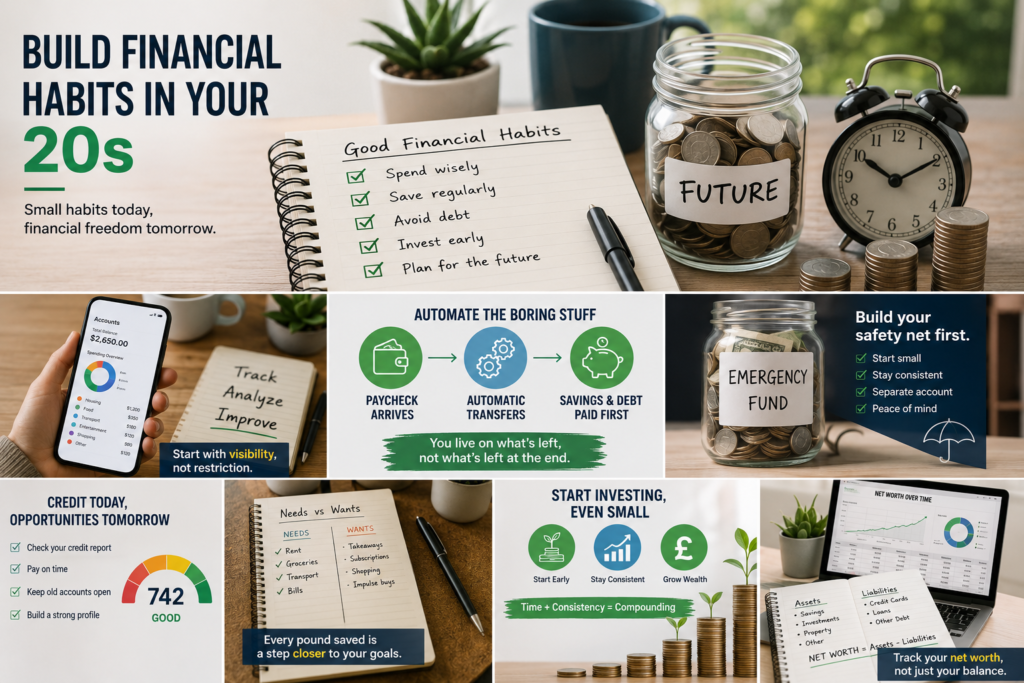
If that sounds familiar, here’s the good news: your 20s are actually the easiest decade to build financial habits in your 20s that stick, mostly because you have less to unlearn and more time for small choices to compound. That’s exactly why it’s one of the topics we cover most at Pennyfy this isn’t about becoming a spreadsheet obsessive overnight, and it’s definitely not about giving up every takeaway coffee. It’s about a handful of routines that, done consistently, quietly reshape your financial life by 30 without ever feeling like a huge sacrifice along the way.
Why Your 20s Matter More Than They Feel Like They Do
At 25, retirement feels like a rumor. That’s exactly why this decade is so valuable the habits you build now don’t need to be dramatic to work, because time does most of the heavy lifting. A modest habit started at 23 usually outperforms an aggressive one started at 33, purely because of how long it’s had to run.
This is the real case for learning how to build financial habits in your 20s before life gets more complicated before a mortgage, a family, or a career pivot adds more variables to the equation.
Start With Visibility, Not Restriction
Most people’s first instinct is to build a strict budget. That usually backfires, because restriction without visibility just breeds guilt and abandonment two weeks in. Real budgeting tips for your 20s whether you’re in London or Los Angeles tend to work better when they start with awareness, not rules.
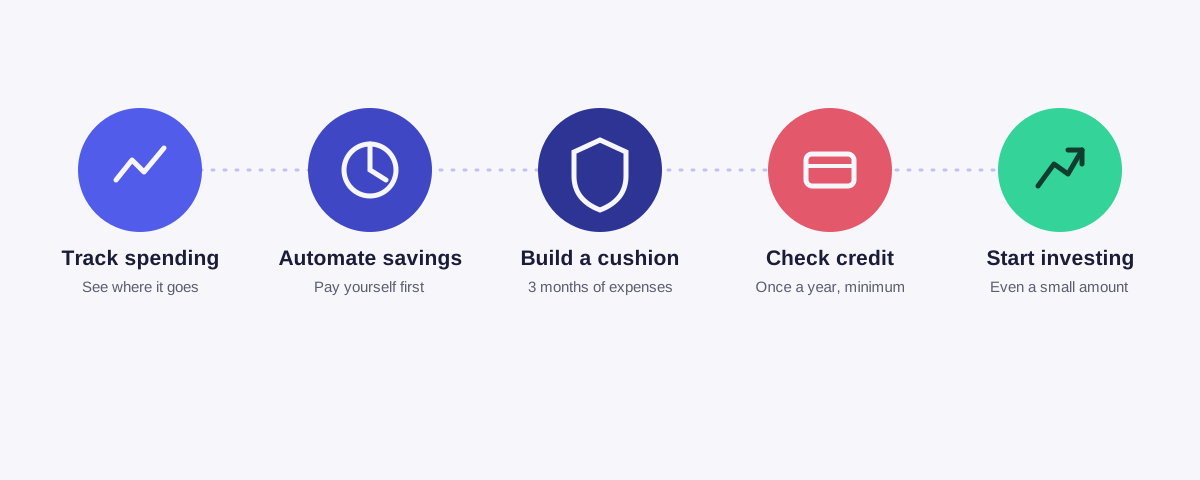
Instead, spend your first month simply watching. Track every pound or dollar that leaves your account a notes app, a spreadsheet, or a budgeting app all work equally well. You’re not trying to change anything yet. You’re building an honest picture of where your money actually goes, which is usually different from where you assume it goes.
Once you can see the pattern, the changes that matter become obvious on their own.
Automate the Boring Stuff
The habits that survive long-term are the ones that don’t rely on willpower every single day. Set up automatic transfers the day your pay lands:
- A small, fixed amount into savings
- A small, fixed amount toward any debt above the minimum
- Whatever’s left, yours to spend without guilt
This “pay yourself first” method works the same way whether your payslip lands in pounds or dollars, and it’s one of the most reliable ways to build financial habits in your 20s, because it removes the decision entirely. You’re not relying on future-you to remember or resist temptation the money’s already moved before it becomes a choice.
Build an Emergency Cushion Before Anything Else
If you only take one thing from this article, let it be this: learning how to build an emergency fund early changes everything else on this list. It’s tempting to jump straight into investing or debt payoff, but an emergency fund is what keeps either of those plans from collapsing the first time your car breaks down or your laptop dies mid-freelance-project.
Start small even £500 or $500 covers most minor emergencies. Build toward 3 months of essential expenses over time, kept somewhere separate from your everyday spending account so it’s not one tap away from being “borrowed” for a night out.
Get Comfortable With Your Credit Profile
Credit is one of those things that quietly matters when you’re trying to build financial habits in your 20s, even though it rarely feels urgent until you need it. In both the UK and US, your credit history quietly follows you into every major decision renting a flat, financing a car, sometimes even a job application. Yet most people in their 20s have never actually looked at their own report.
Check it at least once a year, pay balances in full where you can, and keep old accounts open rather than closing them the moment you stop using them (account age matters more than people realize). Knowing how to check your credit score and actually doing it is a five-minute habit that most people in their 20s simply never build. None of this needs to be complicated it just needs to happen before you actually need good credit for something important.
Learn to Separate “Want” From “Habit”
A lot of 20-something spending isn’t really about the individual purchase it’s autopilot. The coffee you don’t taste, the subscription you forgot you had, the delivery order that happens because you’re tired, not hungry.
Once a month, scan your statement and ask which charges you’d genuinely miss. Cancel or reduce the ones you wouldn’t. This single habit, repeated monthly, tends to free up more money than people expect without requiring any dramatic lifestyle change.
Start Investing, Even Small
You don’t need a large sum to begin a Stocks and Shares ISA in the UK or a Roth IRA in the US both let you start with modest, regular contributions and let compounding do the rest over the next few decades. The amount matters far less than starting early and staying consistent we’ve gone into more detail on this in our guide on how to start investing with little money.
Revisit Your Habits Every Few Months
Financial habits aren’t a “set once, done forever” project. Your income changes, your priorities shift, and what worked at 22 might need adjusting at 27. Set a recurring reminder every 3 to 6 months to review your spending categories, savings rate, and any debt progress. Small course corrections along the way beat one big overhaul later.
Watch Your Net Worth, Not Just Your Balance
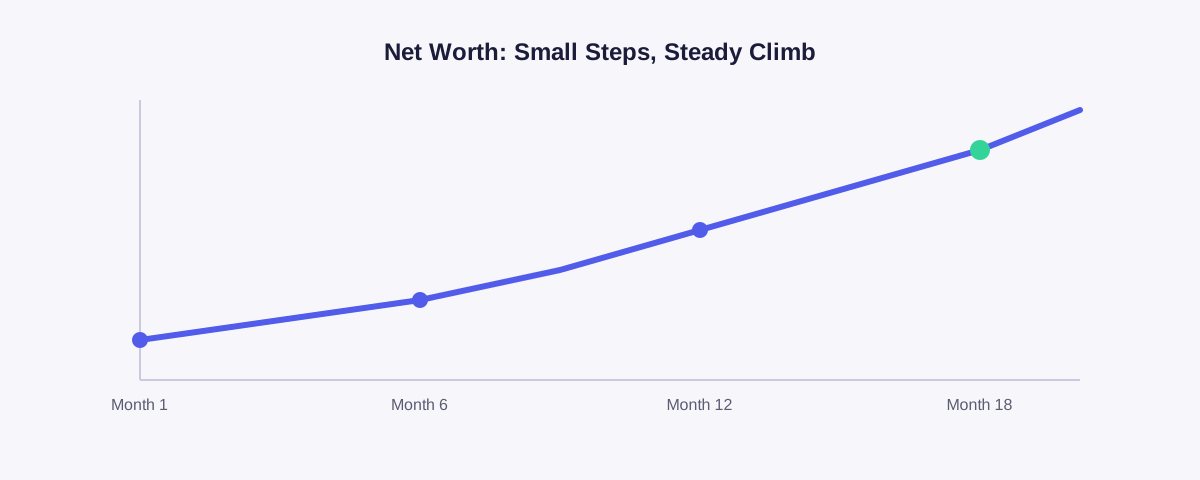
Most people in their 20s only ever look at their current account balance, which is a bit like judging a book by one page. Learning how to track net worth gives you a far more useful habit, whether you’re totting it up in pounds or dollars everything you own (savings, investments, anything of real value) minus everything you owe (credit cards, loans, any outstanding debt).
You don’t need anything fancy for this. A simple spreadsheet updated once a month is enough. What matters isn’t the number itself in year one it’s watching the trend line move in the right direction as your other habits start to compound. This single check-in is often what makes people genuinely stick with the rest of the habits on this list, because progress becomes visible instead of theoretical.
Frequently Asked Questions
What’s the single most important financial habit to start in your 20s? Automating savings tends to have the biggest long-term impact, since it removes the need for daily willpower and works quietly in the background regardless of how disciplined you feel on any given day.
How much should I be saving in my 20s? There’s no universal number, but a common starting target is 20% of take-home income split between an emergency fund, any debt above the minimum, and long-term savings. Adjust based on what’s realistic for your actual income and expenses.
Is it too late to build financial habits in your 20s if I’m already 27 or 28? Not at all. The late 20s still leave decades for consistent habits to compound. The best time to start was earlier, but the second-best time is always now.
Should I focus on paying off debt or building savings first? Most people benefit from doing both at once in smaller amounts a small emergency cushion first, then splitting extra money between debt above the minimum and steady saving, rather than waiting until debt is fully gone to save anything.
Do I need a budgeting app to build good financial habits? No. A notes app, a simple spreadsheet, or even your bank’s built-in spending categories can work just as well. The habit of checking regularly matters more than the tool used to do it.
Where This Leaves You
Building financial habits in your 20s isn’t about perfection or a dramatic overhaul of how you live. At its core, saving money in your 20s and staying on top of credit come down to the same thing on either side of the Atlantic: small, boring routines automated savings, an honest look at spending, a bit of attention to credit repeated consistently enough that they stop feeling like effort at all. The version of you at 30 will be shaped far more by what you did quietly and repeatedly than by any single big decision.
Start with one habit this month. Add the next one once the first feels automatic. That’s really the whole strategy we build on here at Pennyfy.