


The quickest way to pay a credit card bill is usually through your card provider’s app or website. The safest way to avoid a missed payment is to set up a Direct Debit (UK) or autopay (US) for at least the minimum, and ideally the full statement balance. You can also pay by phone, bank transfer, post or, with some providers, in a branch. The exact options depend on your provider, so check its payment page.
Below is every practical way to pay a credit card bill in the UK and the US, plus the less obvious question people search for just as often: can you use a credit card to pay other bills, and should you? If you want to pay with a debit card or from another bank, our UK guide to paying off a credit card with a debit card goes through the steps.
How to Pay Credit Card Bill Online (The Fastest Way)

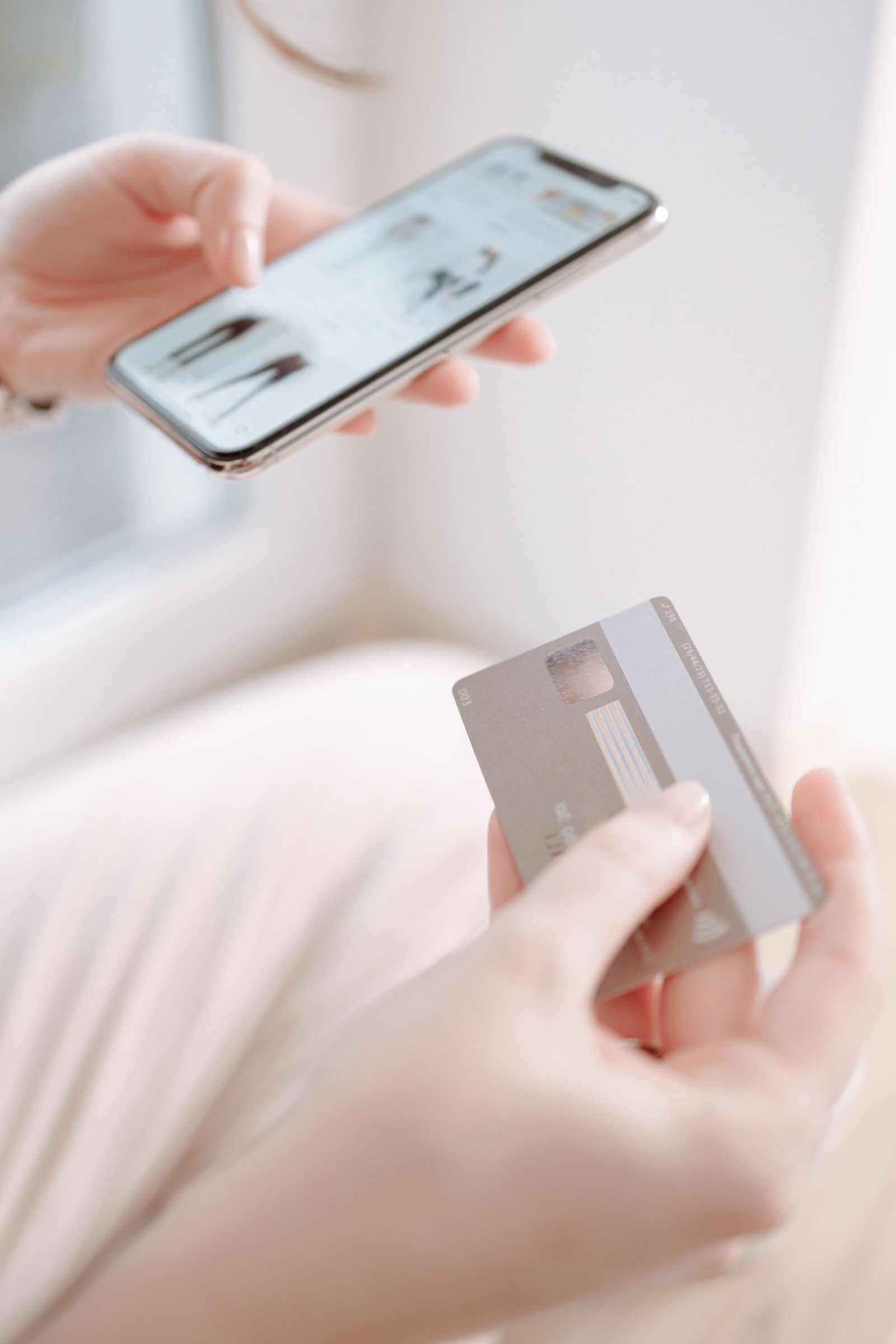
Most card issuers, including Chase, Capital One and Barclaycard, let you log into your online account or app and pay directly from a linked bank account. This is the method most people should default to. It gives you an instant confirmation number and lets you choose exactly how much to pay: the minimum, the statement balance, or a custom amount. How quickly the payment shows depends on your issuer and bank, so do not leave it to the last minute.
If you are paying close to the due date, online payment is almost always faster than mailing a check, so it is the safer choice when you are cutting it close.
Setting Up Autopay (And Why Full Autopay Isn’t Always Smart)
Autopay is the single best tool for never missing a due date, but there is a decision inside it that most guides skip: do you autopay the minimum, the statement balance, or the full current balance?
- Autopay the minimum protects your credit score from a late payment, but interest still builds on anything you carry.
- Autopay the statement balance is the sweet spot for most people: it pays off everything from your last statement in full, so you never pay interest, while still leaving room to spend on the card during the new cycle.
- Autopay the full current balance can occasionally overdraw your bank account if you make a big purchase right before the payment date, so use this option carefully.
Many UK and US card issuers let you set this up from the mobile app under “Payments” or “AutoPay settings.”
Paying by Phone
Many issuers still offer phone payments, either through an automated line or a live representative. It is slower to set up than online payment and some issuers may charge for phone payments, so check first. Use this option if your online account is locked out or you need to make a same-day payment outside banking app hours.
Paying by Mail or In Person

Mailing a check is the slowest method and the one most likely to cause an accidental late fee, since it depends on postal timing rather than an instant confirmation. If you do mail a payment, send it at least five to seven business days before the due date. Some issuers also accept in-person payments at a branch if you would rather hand over cash or a check directly.
Can You Pay a Credit Card With Another Credit Card?
This is one of the most commonly searched questions on this topic, and the honest answer is: not directly. Card issuers generally do not accept another credit card as payment for a credit card bill. The closest workaround is a balance transfer, which moves the debt from one card to another (often with a promotional 0% interest period), or a cash advance, which is expensive and rarely worth it once you account for cash advance fees and higher interest rates that start accruing immediately.
Using a Credit Card to Pay Other Bills (Rent, Utilities, Taxes)
The other side of this question is people wanting to pay bills, like rent, utilities, or taxes, using a credit card instead of a bank transfer. This is possible for most billers, but it often comes with a fee, charged either by the biller or by a third-party payment processor, so check the percentage before you pay.
It can still make sense if you are trying to hit a sign-up bonus spending threshold on a new card, or if you would otherwise earn more in rewards points than you lose to the fee. Outside of those two situations, the fee usually cancels out any benefit, so a direct debit or bank transfer remains the cheaper default for recurring bills. Putting large bills on a card can also push you close to your limit, so it helps to know what happens if you go over your credit card limit.
Can You Pay a Direct Debit With a Credit Card? (UK)
This is a UK-specific question that comes up constantly, and the short answer is: not directly. Direct debits are designed to pull money straight from a current (checking) bank account, so your bank will not let you attach a credit card number as the source for a Direct Debit Instruction. See can you pay Direct Debits with a credit card for how recurring card payments work instead.
You do have workarounds. You can pay the biller directly with your credit card if they accept card payments (many utility companies and councils do, sometimes with a small card fee) (see can you pay council tax with a credit card?), or you can pay your credit card bill itself in full so the direct debit coming out of your bank account never causes an overdraft. Some people also use a linked prepaid card top-up from a credit card, though this usually triggers a cash advance fee, so it rarely saves money once you add it up.
Minimum Payment vs Paying in Full
Paying only the minimum keeps your account in good standing, but interest is calculated on your remaining balance, so a small minimum payment can stretch a debt out for years and cost far more than the original purchase. If you are juggling more than one card, it is worth comparing the debt snowball vs avalanche methods to work out which order actually gets you debt-free faster. Paying your statement balance in full every cycle is the only way to avoid interest entirely, since, as the CFPB explains for the US, you lose the grace period if you do not pay your balance in full by the due date, and interest then applies. UK cards have their own interest-free terms, so check yours.
What Happens If You Miss a Payment
Most issuers apply a late fee after the due date passes. In the US, a payment that is 30 or more days late is typically reported to the credit bureaus, which can affect your credit score. UK lenders also report missed payments to credit reference agencies, so a late payment can affect your score there too. If you know you are going to miss a due date, call your issuer before it happens. Some issuers may waive a first-time late fee or agree a short extension if you contact them before the due date, but this is not guaranteed.
Related reading: paying off a credit card with a debit card (UK) · credit card vs debit card · whether a debit card can put you in debt · can you pay HMRC with a credit card
Frequently Asked Questions
What is the easiest way to pay a credit card bill?
Paying online through your issuer’s app or website is the easiest and fastest method for most people, with instant confirmation and flexible payment amounts.
Can I pay my credit card bill early?
Yes, and it can actually help your credit utilization ratio if you pay down your balance before your statement closing date, since the balance on your statement is often the one that gets reported to credit bureaus. Worth checking your credit score for free first so you can actually see the impact.
Is it bad to pay a credit card bill multiple times a month?
No, making several smaller payments throughout the month is completely fine and can help keep your reported balance lower, which may even help your credit score.
Can you pay a credit card bill with cash?
Yes, in most cases. The simplest route is to pay at a branch of your card issuer’s bank if it has one, or to deposit the cash into your own current account and then pay online. Some providers also accept cash through partner locations, so check with yours first. Never post cash.
How do I pay an individual with a credit card in the UK?
You usually cannot pay a person directly from a credit card the way you would with a bank transfer. The common workaround is a payment app that lets you fund a payment with a card, but fees often apply and your issuer may treat it as a cash advance, which costs more. Where you can, ask for a bank transfer, or buy through a business that takes card payments. For purchases between £100 and £30,000 paid directly to a business, Section 75 can also give you extra protection. If a refund from a retailer is late, see how long a credit card refund takes.
Final Thoughts
There is no single “correct” way to pay a credit card bill, but there is a correct habit: pay the statement balance in full, automate it so you never miss a date, and only use a credit card to pay other bills when the rewards genuinely beat the fee. Get that right, and pair it with a solid budgeting system, and the “which payment method” question stops mattering nearly as much.
This article is for general information and education only. It is not personal financial advice. Rules, rates and allowances change, so check official sources (GOV.UK, FCA or MoneyHelper in the UK; IRS, CFPB or SEC in the US) before you decide. See our Disclaimer and Editorial Policy. Last reviewed October 2026.